Data security & NAID AAA
Why certified destruction matters when shops send used cell phones for recycling.
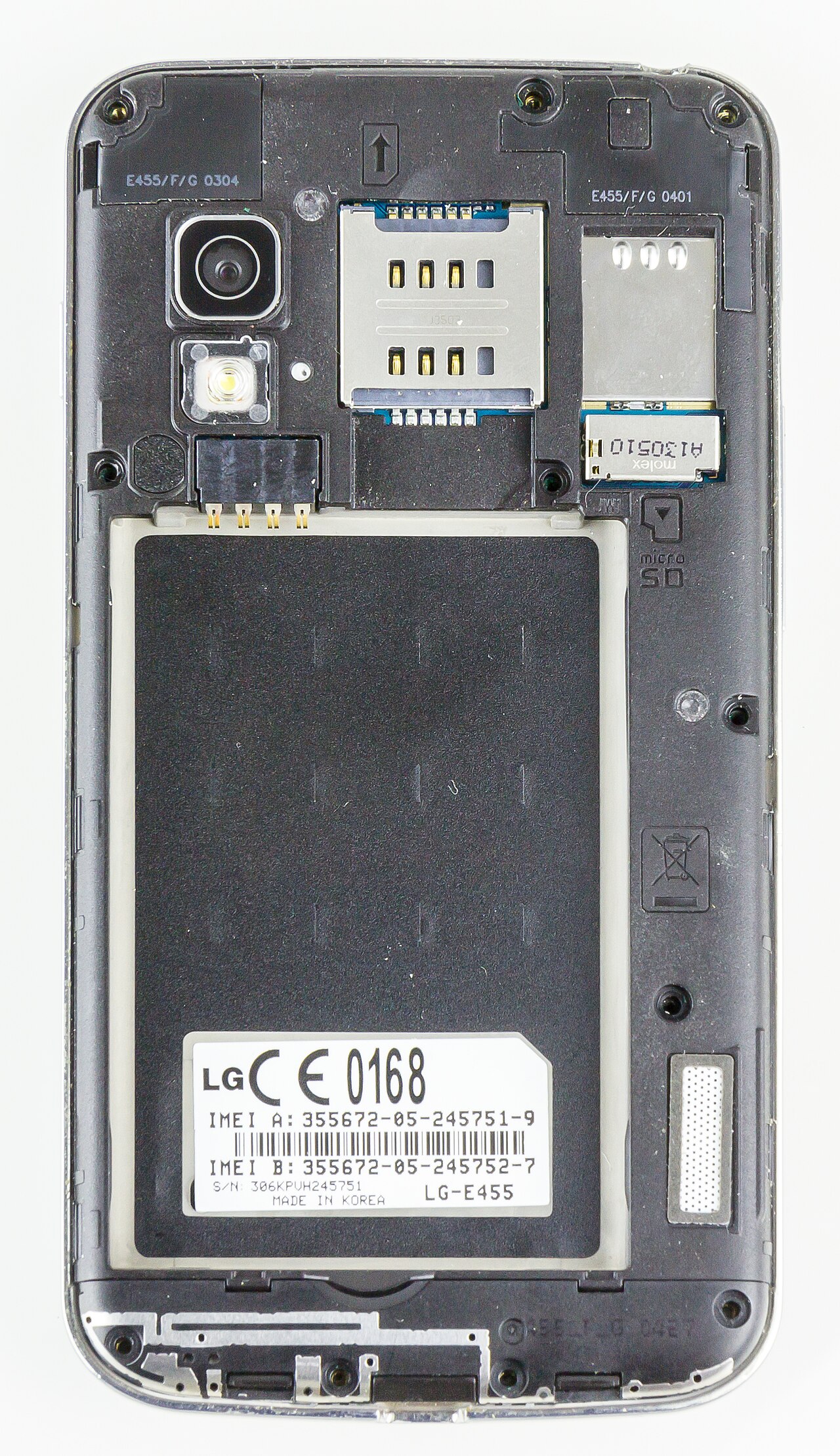
Cell phones hold sensitive customer data
A used cell phone can still contain contacts, messages, photos, email accounts, cloud logins, payment apps, and saved passwords. Repair shops and retailers often receive devices from customers who never fully wiped them—or cell phone boards and parts that came out of those devices.
When that material leaves your shop, you are trusting the next handler to protect whatever data remains.
What NAID AAA certification means
NAID AAA Certification is operated by i-SIGMA (formerly associated with the National Association for Information Destruction). It is an audit-based program for companies that provide secure information destruction services.
In general terms, published i-SIGMA materials describe the program as verifying that a provider follows strict operational and security standards. Those standards commonly address:
- Chain-of-custody controls for material from receipt through destruction
- Physical security of facilities and transport
- Employee screening and confidentiality practices
- Destruction equipment and methods suited to the media being destroyed
- Verification practices, such as documentation of destruction
Certification is not a one-time check. i-SIGMA states that certified companies complete an initial audit and then maintain compliance through ongoing scheduled audits and unannounced audits, with annual renewal. The goal is continuous compliance rather than preparing only for a single visit.
i-SIGMA also notes that NAID AAA Certification provides independent, third-party validation—giving clients more than a vendor’s word alone—and that many organizations treat certified vendors as part of their due diligence when selecting who destroys sensitive media. Certified providers may support clients’ efforts related to frameworks such as FACTA, HIPAA, and PCI, depending on the services and endorsements involved. Always confirm that a company’s certificate covers the services and locations you need.
We describe the program in general terms from i-SIGMA’s public materials. We do not invent or publish SP Recycling audit reports or internal audit findings on this site.
Risks when devices go to an uncertified recycler
Data breaches
If flash memory or storage is not wiped or destroyed, leftover personal information can be recovered and misused.
Business liability
Customers expect shops to handle their devices carefully. A problem after the cell phone leaves your counter can still affect your reputation.
Lost customer trust
Word that old cell phones were mishandled can hurt referrals and repeat business—even when you did not intend any harm.
Bad and blacklisted IMEI cell phones
Some cell phones cannot be activated because their IMEI is flagged—often after a lost/stolen report or an unpaid balance. Those devices should not re-enter the market as working handsets.
SP Recycling accepts bad and blacklisted IMEI cell phones for recycling and destruction so they are taken out of circulation rather than resold as functional cell phones.